
Water Extraction That Gets the Water Out of the Subfloor, Not Just Off the Floor
Standing water is the visible part of the problem. What's absorbed into subfloor, underlay, and baseboards is the part that determines how the rest of the job goes.
Email Us for a Free Estimate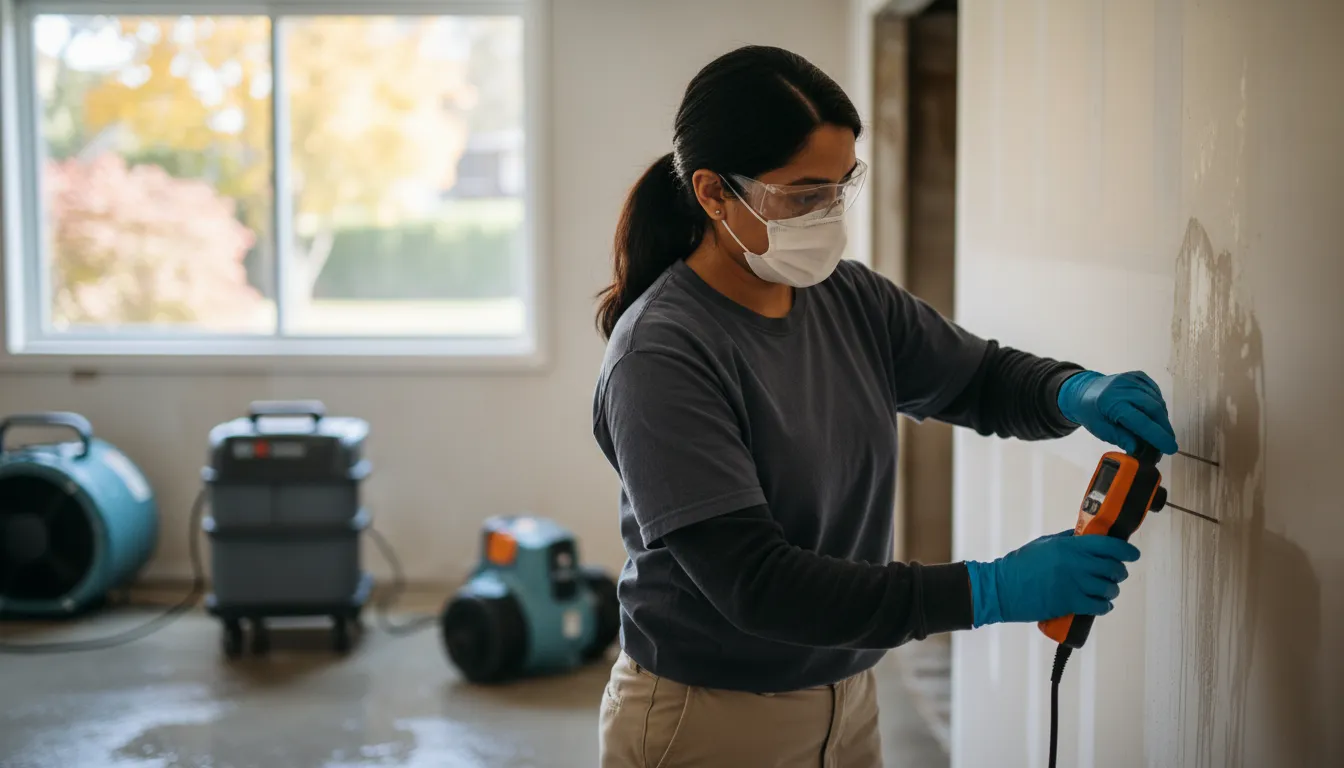
Why extraction quality decides how long drying takes
This is the part of the job that determines everything downstream. Thorough extraction pulls water out of carpet, underlay, and the top layer of the subfloor — not just off the surface. A rushed extraction leaves residual water trapped below, which means the drying phase has to work harder and longer to compensate, adding equipment run days that could have been avoided.
Surface extraction isn't the same as deep extraction
A shop vac run across visible standing water removes maybe half the moisture in carpeted areas. Weighted extraction tools are needed to pull water out of the underlay and subfloor properly.
Basements need different extraction than main floors
Concrete subfloor in a basement absorbs and releases water differently than plywood subfloor upstairs — extraction technique and follow-up drying time both change accordingly.
We check extraction completeness with a meter
Instead of assuming the job is done once no standing water is visible, we take readings in the subfloor to confirm extraction actually pulled out what it needed to.
Spring thaw and summer storm extractions differ
A spring thaw flood often involves groundwater pushing in continuously, which changes how extraction is sequenced compared to a one-time storm or pipe-burst event.
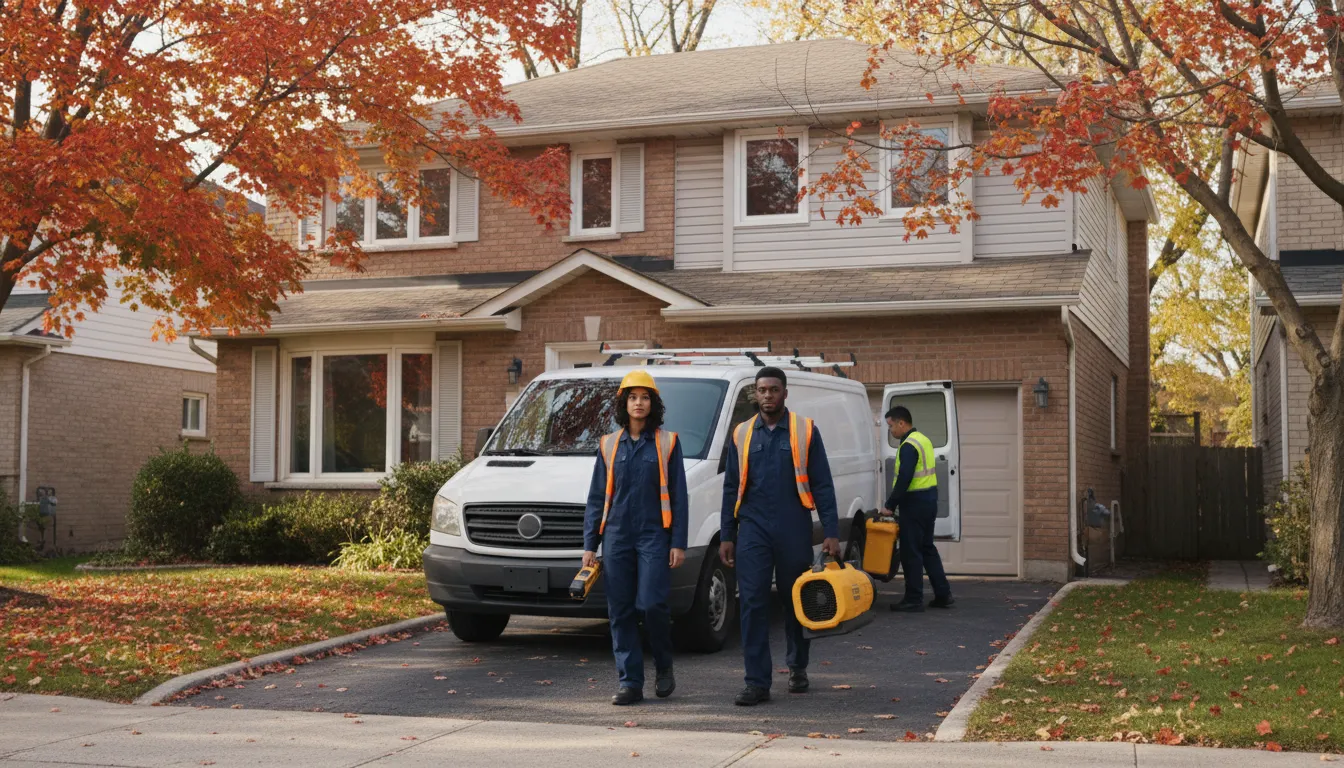
Extraction that stops as soon as the floor looks clear
A quick-looking extraction job — visible water gone, crew packs up — often leaves the underlay and top layer of subfloor still holding water. It looks finished because the standing water is gone, but the moisture that actually causes long-term problems (swelling, mould, lingering odour) is still there, just no longer visible.
We confirm extraction with a reading, not a glance
After extraction, we take moisture readings in the subfloor and underlay before calling that phase complete. If the numbers say there's still moisture trapped, we extract again before moving to drying — because starting the drying phase on a foundation of trapped water just extends the whole timeline.
Our water extraction process
Four steps, verified before we move to drying.
- 1
Standing water removal
Truck-mount or portable extraction units remove visible standing water first.
- 2
Deep extraction pass
Weighted tools pull residual moisture from carpet, underlay, and the top layer of subfloor.
- 3
Moisture verification
We take readings to confirm extraction actually removed the trapped water, not just the visible layer.
- 4
Handoff to drying
Once extraction is verified, structural drying begins with equipment sized to the remaining moisture load.
Why our extraction step doesn't get rushed
A thorough extraction shortens everything that follows — it's worth doing right the first time.
Deep extraction equipment
We use tools built to pull water from underlay and subfloor, not just the surface.
Licensed & insured
Extraction performed by trained, credentialed technicians.
Fast response for standing water
We prioritize active extraction needs because delay increases absorption.
Meter-verified completion
We confirm extraction results with readings, not assumptions.
Adapted to GTA subfloor types
Concrete basement slabs and plywood subfloors get different extraction approaches.
No premature equipment pull
We don't call extraction finished until the readings support it.
Water extraction questions
How is extraction different from drying?
Extraction physically removes bulk water from surfaces and materials, while drying uses dehumidification to remove remaining moisture vapour from the structure. Extraction should always come first and be verified before drying equipment is placed.
Can carpet be saved after water extraction?
Often yes, if the water was clean and extraction happens promptly. We assess the carpet and underlay individually rather than assuming automatic replacement.
How do you know extraction actually worked?
We take moisture readings in the subfloor and underlay after extraction. If the numbers still show significant moisture, we run another extraction pass before considering the phase complete.
Does basement extraction take longer than main floor extraction?
It can, since concrete slabs and below-grade conditions behave differently than upper-floor plywood subfloor. We scope timing based on the specific material and moisture readings, not a blanket rule.
What equipment do you use for extraction?
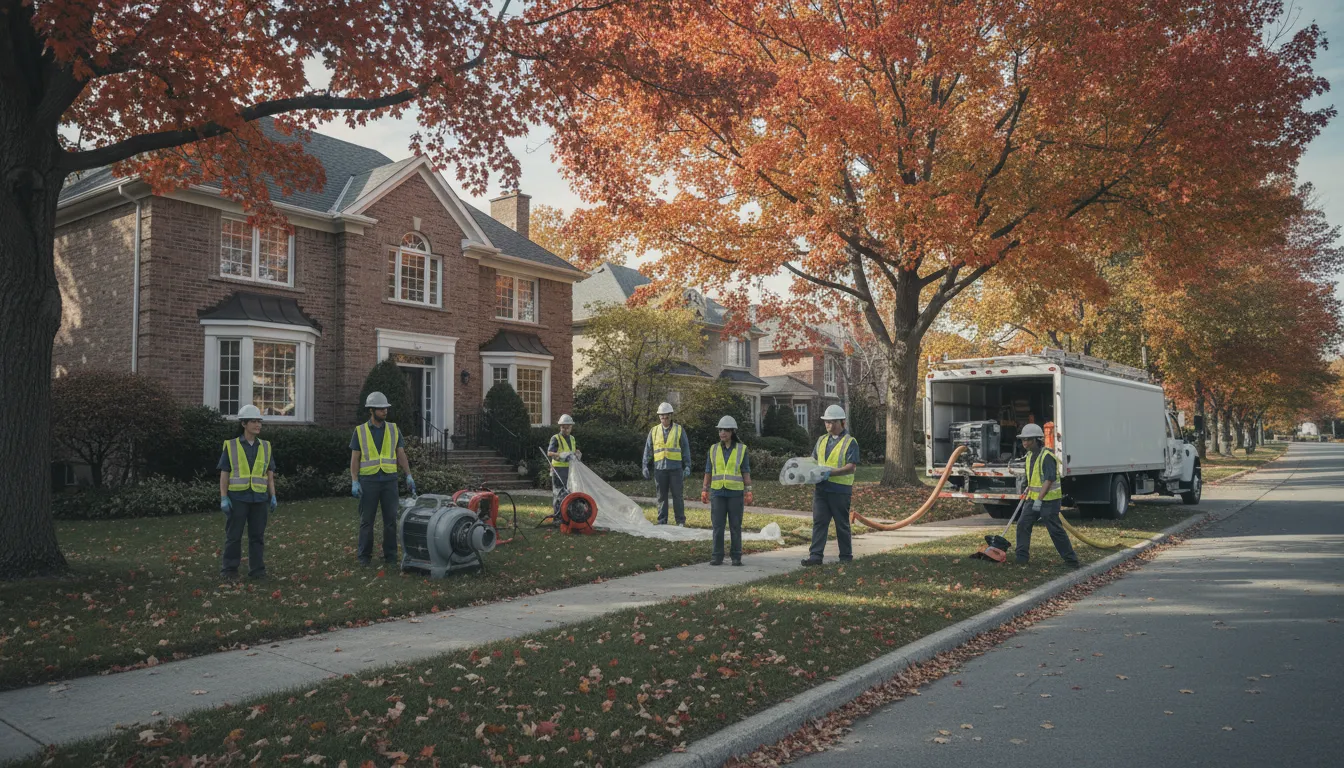
Depending on the volume and depth of water, we use truck-mount extraction units, portable extractors, and weighted tools designed to pull moisture from underlay and subfloor layers.
Extraction quality decides your whole timeline
Email us and we'll explain exactly how deep we go before calling extraction complete.
Email Us for a Free EstimateWeather drives water-damage risk — email us if you find water.
Fall water-damage conditions in Mississauga, ON
Fall rain around Mississauga, ON tests gutters, sump pumps, and foundations; catching leaks and seepage early prevents the slow water damage and mold that surface over winter.
Proudly Serving Mississauga, ON
Local, on-time service throughout Mississauga and the surrounding area.